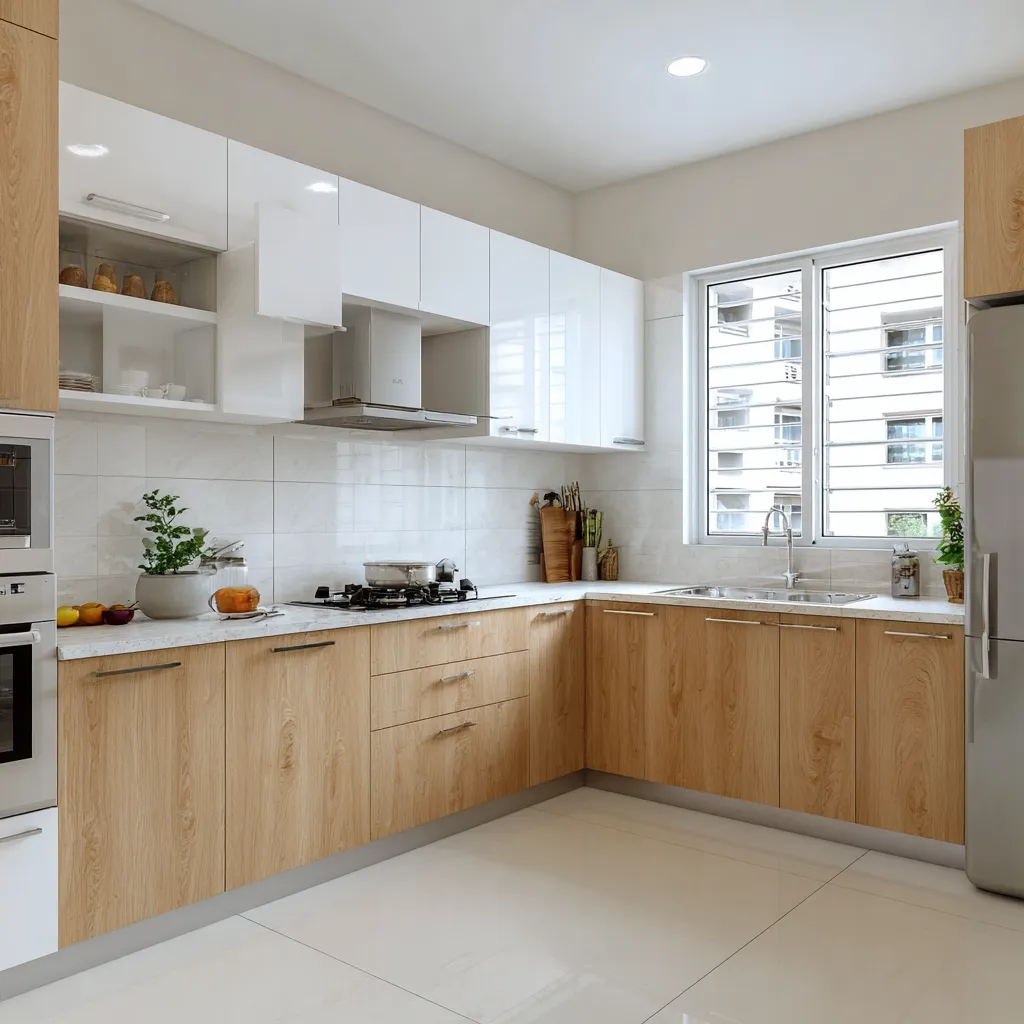
A family-friendly kitchen should provide enough room for cooking, eating, organizing supplies, and spending time together. It is often one of the busiest areas of a home, with different family members using it throughout the day. A thoughtful design can make daily routines easier while creating a welcoming environment for children and adults alike. The goal is to combine practical features with comfortable surroundings that suit the needs of the entire household.
A sensible layout is the foundation of a family-friendly kitchen. Cooking equipment, sinks, refrigerators, and preparation surfaces should be arranged so that everyday tasks can be completed without unnecessary movement. Walkways should remain clear, especially in households where several people may enter the kitchen at the same time. If the room is large enough, a central island can provide extra preparation space while offering a convenient place for family members to gather.
Storage should be planned according to the different needs of household members. Lower drawers can hold frequently used dishes and plastic food containers, while higher cabinets can be reserved for items that children should not access. A dedicated pantry makes it easier to organize groceries, snacks, and cooking ingredients. Using labeled containers can help everyone identify where items belong and encourage better organization.
Safety is particularly important when designing a kitchen used by children. Sharp knives, cleaning products, matches, and other potentially dangerous items should be stored securely. Cabinet locks may be useful for cupboards containing hazardous supplies. Hot cookware should be positioned away from the edges of countertops, and appliance cords should not hang where children can pull them. Keeping the main cooking area separate from play or homework activities can also reduce unnecessary distractions.
The choice of flooring can influence both comfort and maintenance. Kitchen floors experience spills, dropped food, and constant movement, so the selected material should be durable and easy to clean. Porcelain tiles and suitable waterproof flooring are common options. A textured finish can help improve grip, although spills should always be cleaned promptly. Soft kitchen mats may provide additional comfort near the sink, provided they remain securely positioned.
A family kitchen also benefits from flexible seating. A breakfast counter can provide a place for quick meals, while a larger dining table may be more suitable for families who enjoy eating together. Seating should be comfortable and positioned away from appliance doors and busy walkways. If children use the counter, suitable seating with appropriate stability and support is important.
Lighting should support different activities throughout the day. Bright task lighting helps with food preparation, while softer fixtures can create a relaxed atmosphere during family meals. Under-cabinet lighting can make countertops easier to use, and pendant fixtures may add character above an island or dining area. Natural light should be encouraged where possible because it makes the room feel more open and pleasant.
Durable materials can make a family kitchen easier to maintain. Countertops should be selected for their ability to handle regular use, while cabinet finishes should be practical to clean. Surfaces around the stove and sink may require more frequent attention because they are exposed to grease, moisture, and food splashes. Choosing materials based on everyday demands can reduce maintenance and help the kitchen retain its appearance.
Creating a space for shared activities can make the kitchen more enjoyable. A small section of countertop can be used for baking, preparing school lunches, or teaching children simple cooking skills under adult supervision. A nearby noticeboard or calendar can help families organize shopping lists, meal plans, and weekly schedules. These simple additions can turn the kitchen into a useful center for household communication.
Ventilation and cleanliness should remain priorities in a busy family kitchen. An effective extractor hood helps remove cooking odors and excess moisture, while regular cleaning keeps food preparation surfaces hygienic. Refrigerators should be checked frequently, and waste should be removed before unpleasant odors develop. Establishing simple cleaning responsibilities can encourage everyone to contribute to maintaining the space.
A successful family kitchen does not need complicated features or luxury finishes. It needs a practical layout, accessible storage, suitable safety measures, and enough flexibility to support different household activities. With careful planning, homeowners can create a kitchen where preparing meals, sharing conversations, and enjoying family time become easier parts of everyday life.
Leave a Reply