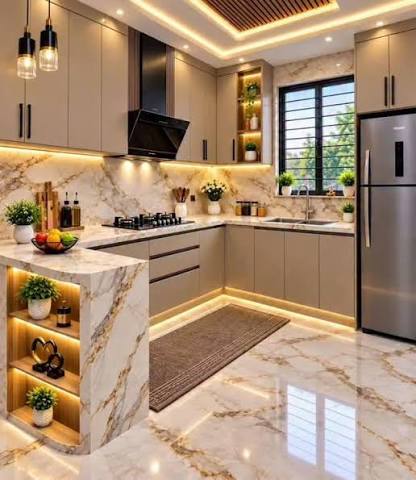
A kitchen should be designed around the people who use it every day. While attractive cabinets and modern appliances can improve its appearance, comfort comes from details that make everyday activities easier. Enough preparation space, convenient storage, suitable lighting, and comfortable movement all contribute to a kitchen that feels welcoming and practical. Even small design adjustments can improve the experience of using this important room.
One important consideration is the amount of space available for movement. Kitchen walkways should remain clear so that people can open cabinets, use appliances, and move between work areas without difficulty. When planning a renovation, it is useful to consider how several people might use the room at the same time. An island or breakfast counter can provide additional functionality, but it should not interrupt the main walking routes.
Countertop height can also influence comfort. A surface that is too high or too low may make food preparation uncomfortable, particularly when cooking for extended periods. Standard countertop dimensions work for many households, but individual needs and accessibility requirements may call for adjustments. Choosing a comfortable working height can reduce unnecessary strain during everyday kitchen activities.
Seating is another feature that deserves careful planning. A breakfast counter can provide a convenient place for quick meals, homework, or casual conversations. Chairs and stools should have suitable heights and enough space around them for comfortable use. If the kitchen is part of an open living area, coordinated seating can help connect the two spaces without making them feel crowded.
Temperature control is especially important in kitchens where cooking equipment produces considerable heat. Proper ventilation helps remove steam, odors, and airborne grease, while suitable airflow can make the room more comfortable. Range hoods should be selected according to the cooking equipment and installation requirements. Windows and other ventilation options may also contribute to a more pleasant indoor environment.
The choice of flooring can affect comfort throughout the day. Hard surfaces such as ceramic and porcelain tiles are durable and easy to maintain, but they may feel firm underfoot. Some homeowners prefer materials that provide a slightly softer walking surface. Anti-fatigue mats can offer additional comfort near sinks and preparation areas, provided they are suitable for kitchen use and do not create a tripping hazard.
Lighting should be planned according to different activities. Bright task lighting is useful for chopping, reading recipes, and cleaning, while softer ambient lighting can create a relaxed atmosphere during meals. Under-cabinet lights help illuminate work surfaces, and adjustable fixtures provide flexibility for different times of the day. Choosing bulbs with a suitable color temperature can also help create a balanced appearance.
Sound control is another detail that is sometimes overlooked. Dishwashers, refrigerators, extractor fans, and other appliances can produce background noise. Selecting quieter appliances may improve comfort, particularly in open-plan homes where the kitchen connects directly to living areas. Soft-close cabinet hinges and drawer runners can also reduce unnecessary noise during daily use.
Accessibility should be considered when selecting kitchen fixtures and storage. Frequently used dishes, ingredients, and cooking tools should be placed where they can be reached comfortably. Pull-out shelves and full-extension drawers make stored items easier to access, while clear pathways can improve movement for people with different mobility needs. Lever-style faucets and easy-to-operate cabinet handles may also make everyday tasks more convenient.
A comfortable kitchen should feel personal without becoming overcrowded. Natural textures, warm lighting, a small collection of decorative items, and a few indoor herbs can add character. These details help create an inviting atmosphere while keeping essential work areas available.
Ultimately, good kitchen design is about making daily routines more convenient. A comfortable layout, appropriate surfaces, thoughtful lighting, effective ventilation, and accessible storage can improve both appearance and usability. By focusing on practical details rather than decoration alone, homeowners can create a kitchen that supports everyday living and remains enjoyable for years.
Leave a Reply