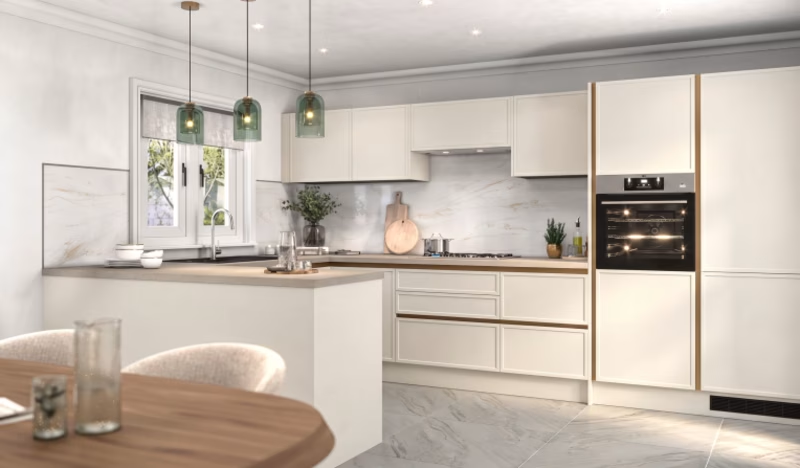
Kitchen storage has a major influence on how comfortable and efficient a home feels. When cooking supplies, dishes, groceries, and appliances do not have designated places, even a spacious kitchen can quickly become cluttered. A well-organized storage system makes everyday tasks easier, protects kitchen equipment, and helps homeowners use every available area more effectively.
The first step toward better storage is understanding what needs to be kept in the kitchen. Many households accumulate duplicate utensils, unused appliances, old containers, and cookware that rarely gets used. Reviewing these items can reveal how much storage space is being occupied unnecessarily. Keeping essential equipment and donating or recycling suitable unwanted items creates room for things that are genuinely useful.
A well-planned pantry can make a significant difference in food organization. Dry ingredients, canned products, cereals, snacks, and baking supplies should have clearly defined locations. Transparent airtight containers can help keep ingredients visible and protect them from moisture and pests when used appropriately. Adding labels makes it easier to identify contents, particularly when several similar ingredients are stored together. Arranging frequently used products at accessible heights can also save time during meal preparation.
Deep drawers are often more convenient than traditional shelves for storing heavy cookware. Pots, pans, lids, and mixing bowls can be arranged so that each item is easy to reach. Drawer dividers prevent smaller accessories from becoming mixed together, while sturdy sliding mechanisms make daily access smoother. Homeowners should check the weight capacity of drawer systems before storing heavy kitchen equipment.
Corner cabinets can be difficult to organize because items placed at the back are often forgotten. Rotating shelves, pull-out corner units, and sliding baskets can make these spaces more useful. These solutions allow homeowners to access stored products without removing everything in front. The most suitable organizer depends on cabinet dimensions, door clearance, and the amount of weight it needs to support.
Wall space provides another opportunity to improve storage without reducing floor area. Open shelves can hold frequently used dishes, attractive containers, or small kitchen accessories. Wall-mounted rails with hooks are useful for utensils and towels, while magnetic holders can keep compatible metal tools organized. However, open storage requires regular cleaning because cooking grease and dust can collect on exposed items.
Small appliances should also have designated storage locations. Blenders, mixers, toasters, and food processors can take up considerable countertop space when left out permanently. An appliance cabinet or dedicated shelf keeps them organized while allowing easy access when needed. Before placing an appliance inside a cabinet, homeowners should follow its manufacturer’s instructions, particularly regarding ventilation and safe storage after use.
Under-sink storage is another area that often goes unused. Adjustable shelves and compact organizers can provide space for cleaning supplies, spare sponges, and rubbish bags. Products should remain in their original containers and be stored safely away from food and cooking equipment. Cleaning chemicals must also be kept out of children’s reach and should never be mixed together.
Vertical dividers can improve the way baking trays, chopping boards, and serving platters are stored. Instead of stacking these items horizontally, a suitable divider allows them to stand upright. This makes individual pieces easier to remove and reduces the need to move several items at once. It can also help protect delicate kitchenware from unnecessary scratches.
Storage planning should consider future needs as well as current habits. A household may purchase new appliances, change its cooking routine, or require additional space as family needs evolve. Adjustable shelving and flexible organizers provide more room for these changes. Choosing durable storage accessories can also prevent repeated replacement expenses.
An organized kitchen does not depend on having the largest cabinets or the most expensive accessories. It depends on giving every essential item a practical place and making frequently used supplies easy to access. By combining smart pantry arrangements, efficient drawers, useful wall storage, and regular decluttering, homeowners can create a kitchen that feels spacious, tidy, and ready for everyday activities.
Leave a Reply