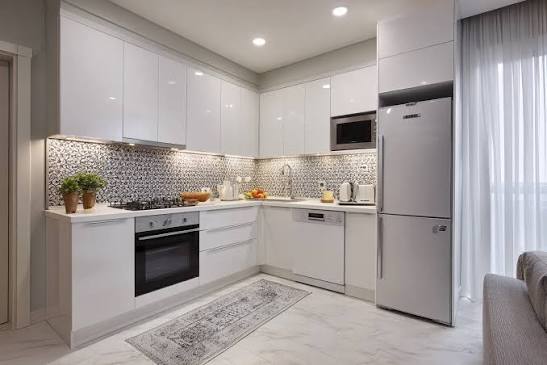
The kitchen is one of the most influential spaces when it comes to a home’s overall appearance and functionality. A well-maintained kitchen can make everyday living more convenient while creating a positive impression on visitors and potential buyers. However, improving this space does not always mean investing in a complete renovation. Carefully selected upgrades can refresh the room, improve its efficiency, and contribute to its long-term appeal.
Cabinet improvements are a practical place to begin. Cabinets occupy a large portion of the kitchen’s visible space, so their condition has a strong influence on the overall design. Replacing damaged doors, updating handles, or applying a fresh coat of suitable paint can make older cabinets look considerably better. If the existing cabinet structure is still strong, these smaller improvements may offer a more affordable alternative to full replacement.
Replacing an outdated countertop can also transform the kitchen. A clean, durable surface provides a better area for food preparation and creates a fresh appearance. Quartz, granite, and other engineered or natural materials are available in different colors and price ranges. Homeowners should compare maintenance requirements, durability, and installation costs before making a selection. A neutral design often works well because it can complement different cabinet styles.
Modern lighting is another upgrade that can improve both appearance and usability. Older kitchens sometimes rely on a single ceiling fixture, leaving important work areas poorly illuminated. Adding recessed lights or under-cabinet fixtures can provide more balanced lighting. Pendant lights above an island or breakfast counter can introduce a decorative feature while making the space feel more inviting. Energy-efficient LED fixtures are worth considering for their lower electricity consumption.
Improving the kitchen backsplash is a relatively straightforward way to introduce a fresh design. Tiles made from ceramic, porcelain, or glass can protect walls from everyday splashes while adding texture and color. A simple pattern can create a timeless appearance, whereas a decorative design can become a focal point. The chosen material should coordinate with existing countertops and cabinets to maintain a balanced interior.
Appliance upgrades can improve convenience and efficiency. An older refrigerator, dishwasher, or oven may consume more energy or require frequent repairs. Replacing equipment with appropriately sized, energy-efficient models can help reduce operating costs, depending on usage and local utility rates. Buyers should also consider appliance capacity, maintenance requirements, available features, and manufacturer warranties rather than focusing entirely on appearance.
Kitchen faucets and sinks are smaller features that receive frequent use. A modern faucet with a pull-down spray head can make washing dishes and cleaning the sink easier. A deeper sink may provide additional room for larger cookware, while durable finishes can help maintain an attractive appearance. Before selecting new fixtures, homeowners should check existing plumbing connections and sink dimensions to ensure compatibility.
Flooring improvements can give the kitchen a more polished look. Worn or damaged flooring can make the entire room appear neglected, even when other features are in good condition. Porcelain tiles, ceramic tiles, and suitable waterproof flooring products are commonly considered for kitchen renovations. The best choice depends on durability, cleaning requirements, installation conditions, and the home’s overall interior style.
Storage improvements can also make a property more appealing. Pull-out pantry shelves, organized drawers, and corner cabinet systems help homeowners use available space more effectively. A dedicated area for recycling and waste containers can keep the kitchen tidy. These features are especially useful in smaller homes where every section of storage matters.
Before starting any upgrade, it is important to establish a realistic budget and prioritize repairs that affect safety or functionality. Plumbing leaks, damaged electrical connections, and poor ventilation should be addressed before spending money on decorative changes. Professional installation may be necessary for complex work involving electrical systems, gas appliances, or plumbing.
A valuable kitchen is not necessarily the one with the most expensive materials or the latest design trends. Its appeal comes from a combination of cleanliness, durability, thoughtful organization, and reliable features. By choosing improvements that support everyday use and complement the rest of the home, homeowners can create a kitchen that feels attractive, practical, and ready for many years of use.
Leave a Reply